

盖世汽车获悉,据央视新闻报道,我国具身智能产业正加快从实验室研发阶段迈向产业化落地,训练场基建、数据归集、标准制定与真机应用多线并进,全产业链推进态势明显。这条新闻里最实在的一个数字是:全国范围内已有70多家具身智能训练场建成启用,在建及规划中的还有40余家,地理分布上集中形成长三角、京津冀、珠三角三大核心集群。
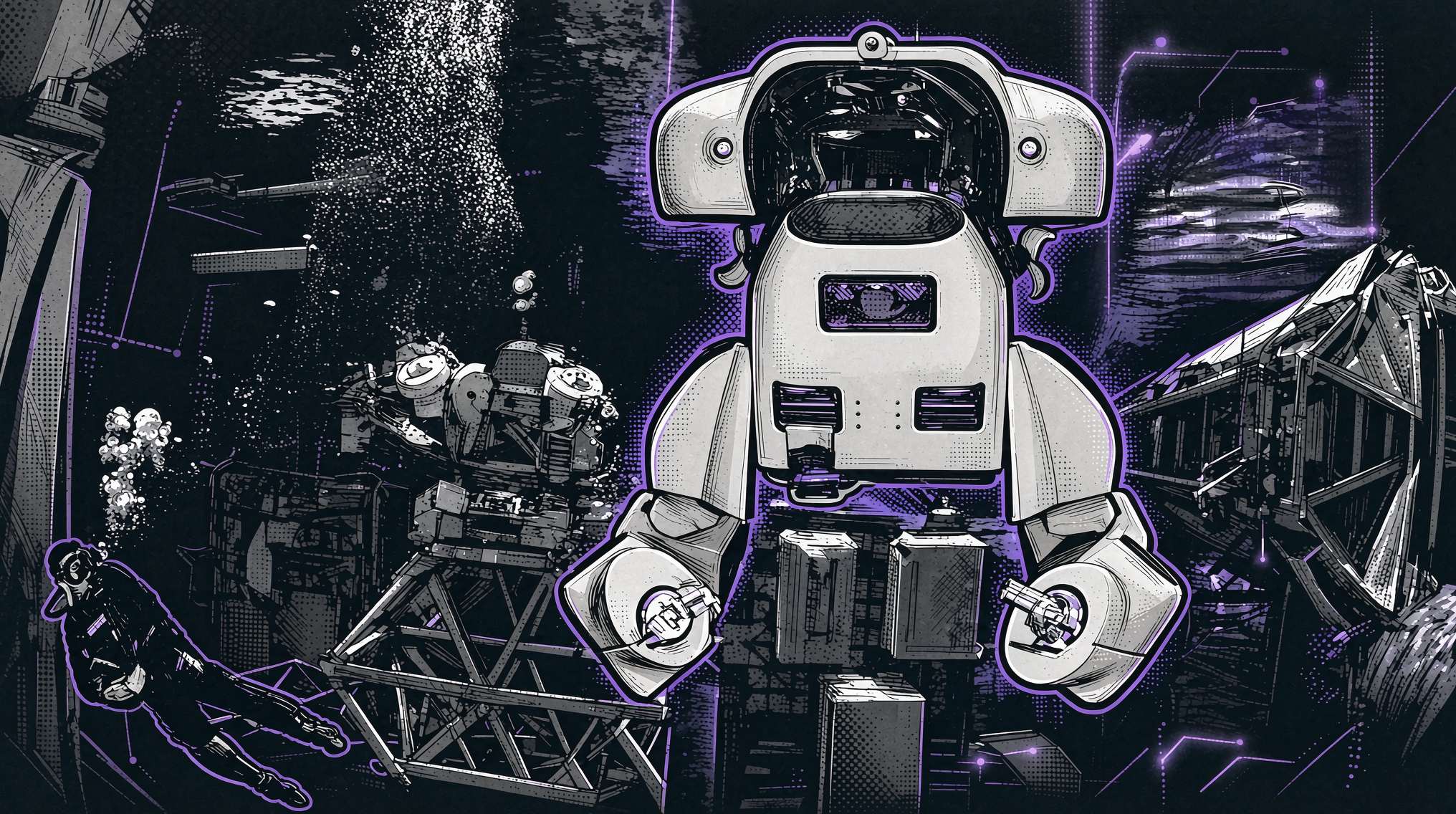
Gasgoo has learned, according to CCTV News, that China's embodied intelligence industry is accelerating from laboratory R&D toward industrialization, with training ground infrastructure, data collection, standards setting, and real-machine applications advancing on multiple fronts. The most concrete number in this news: over 70 embodied intelligence training grounds have been built and put into use nationwide, with over 40 more under construction or planned, geographically concentrated in three core clusters—Yangtze River Delta, Beijing-Tianjin-Hebei, and Pearl River Delta.
在数据基础设施方面,位于中关村的人工智能企业已建成具身智能数据平台,接入全国各地训练场的人类视频数据与仿真合成数据两类核心资源。截至目前,该平台累计交付的人类视频数据已达150万小时,数据量级位居全球前列,为机器人模型训练与算法迭代提供了关键的底层支撑。150万小时这个数字值得换算一下,一个人不吃不喝不睡看150万小时的视频,需要171年。这些数据不是给人看的,是给模型看的。
On the data infrastructure side, an AI company in Zhongguancun has built an embodied intelligence data platform that connects two core resource types: human video data and simulation-synthesized data from training grounds across the country. To date, the platform has delivered a cumulative 1.5 million hours of human video data, ranking among the world's largest in data volume, providing critical underlying support for robot model training and algorithm iteration. The 1.5 million-hour figure deserves conversion: one person watching 1.5 million hours of video without eating, drinking, or sleeping would need 171 years. This data is not for people to watch—it is for models.
值得注意的是,大量实训数据在加速归集的同时,已同步投入真机训练环节,有效缩短了从数据采集到实际应用的转化周期。在深圳,依托实训数据训练的轮臂式人形机器人已具备独立完成开关电柜、启闭工业阀门等复杂作业的能力,显示出具身智能技术在工业场景中的实用价值。开关电柜、启闭阀门这些动作听起来不酷,但它们是工厂里真正需要有人去干的活。训练场里采的数据,直接喂给了深圳的机器人,让它们学会了拧阀门,这条链路已经跑通了。
Notably, while large amounts of training data are being collected at an accelerated pace, they are simultaneously being fed into real-machine training, effectively shortening the conversion cycle from data collection to practical application. In Shenzhen, wheeled-arm humanoid robots trained on this data can independently complete complex operations such as switching electrical cabinets and opening and closing industrial valves, demonstrating the practical value of embodied intelligence in industrial scenarios. Switching cabinets and opening valves do not sound cool, but they are tasks that actually require someone to do them in factories. Data collected in training grounds was fed directly to Shenzhen robots, teaching them to turn valves—this loop has already been closed.
产业整体规模持续扩大。2025年,我国人工智能核心产业规模已超过1.2万亿元,相关企业数量突破6200家。来自各类实景场景的多元训练数据不断丰富,持续推动机器人性能迭代优化,我国具身智能全产业链正进入加速推进期。政策层面,工业和信息化部等部委近期已部署开展专项行动,聚焦工业、服务、特种三大领域,着力构建“实景实训—数据沉淀—产品迭代—规模部署”的完整产业闭环。下一步,我国将继续做强训练场集群,推动行业标准落地见效,进一步拓展实景实训应用场景,加快具身智能产品向千行百业渗透。
The overall industry scale continues to expand. In 2025, China's AI core industry scale exceeded 1.2 trillion yuan, with related enterprises surpassing 6,200. Diverse training data from various real-world scenarios continues to enrich, driving robot performance iteration and optimization. China's embodied intelligence full industry chain is entering an accelerated phase. At the policy level, the Ministry of Industry and Information Technology and other ministries have recently deployed special actions focusing on three major fields—industrial, service, and special—to build a complete industrial loop of "real-scenario training—data accumulation—product iteration—scaled deployment." Next, China will continue strengthening training ground clusters, promoting industry standards implementation, further expanding real-scenario training application scenarios, and accelerating embodied intelligence products' penetration into thousands of industries.
这套打法和自动驾驶当年的路径有相似之处,但节奏不同。自动驾驶是先有车在路上跑,再倒逼数据采集和仿真训练。具身智能是先把训练场建起来,把数据平台搭起来,再让机器人进场训练。这个顺序调换意味着,具身智能在起步阶段就试图解决数据从哪里来的问题,而不是等产品卖出去了再回头补数据。70多家训练场、150万小时视频、40多家在建规划,这些数字加在一起,说明这个行业正在用一种基建先行的方式推进。训练场是具身智能的驾校,驾校比车先建好了,接下来要看的是,从驾校毕业的机器人,能不能真的走进工厂和楼宇,把活干完。
This playbook resembles autonomous driving's path, but the rhythm differs. Autonomous driving started with cars running on roads, which then forced data collection and simulation training. Embodied intelligence is building training grounds and data platforms first, then bringing robots in to train. This reversed order means embodied intelligence is trying to solve the data-source problem at the starting stage, rather than waiting until products are sold to go back and fill in data. Over 70 training grounds, 1.5 million hours of video, over 40 under construction or planned—added together, these numbers indicate the industry is advancing with an infrastructure-first approach. Training grounds are embodied intelligence's driving schools. The driving schools are built before the cars. What comes next is whether robots graduating from these schools can actually walk into factories and buildings and finish the job.


