

近日,成都市凯瑞医疗科技有限公司宣布,其自主研发的智能采血机器人M1成功取得第三类医疗器械注册证,正式获准上市。红星新闻记者了解到,作为全球第三款取得医疗器械注册证的静脉采血机器人,其技术性能对标国际同类领先产品具有显著先进性,填补了行业空白。医疗器械注册证是产品进入市场的合法身份证,而Ⅲ类医疗器械作为最高风险级别类别,获批门槛极高,对技术创新性、临床价值与质量管控均有严苛要求。静脉采血机器人医疗器械注册证更是高难度的三类医疗器械证。此次获证上市,不仅是对其产品安全性、有效性和质量体系的权威认可,也确立了凯瑞医疗在智能采血机器人赛道的先发优势。
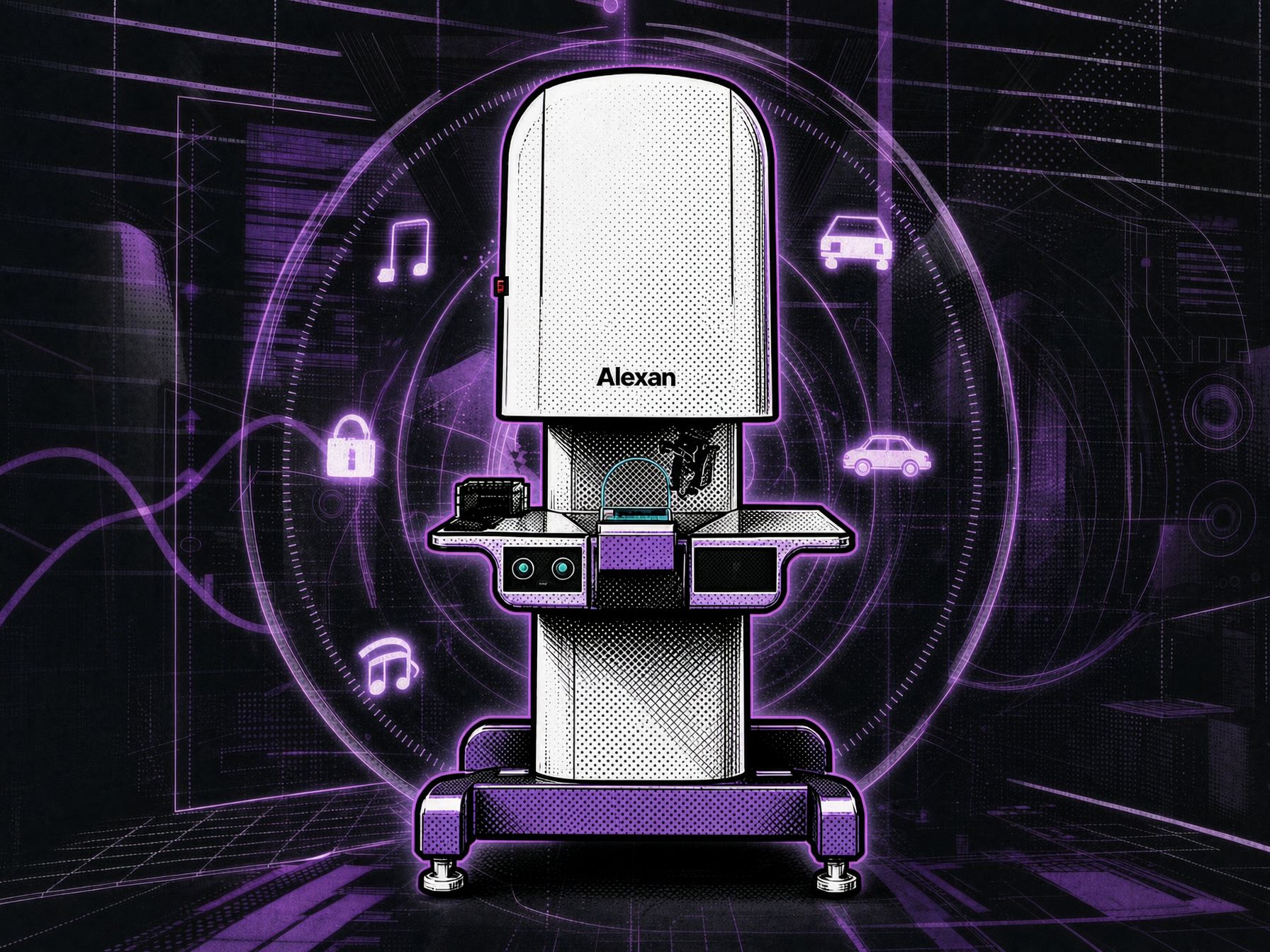
Recently, Chengdu Kairui Medical Technology Co., Ltd. announced that its self-developed intelligent blood collection robot M1 successfully obtained a Class III medical device registration certificate and was officially approved for market. Hongxing News reporters learned that as the world's third venipuncture robot to obtain a medical device registration certificate, its technical performance has significant advancement against international同类 leading products, filling an industry gap. A medical device registration certificate is a product's "legal ID card" for market entry, and Class III medical devices, as the highest risk level category, have extremely high approval thresholds with stringent requirements for technical innovation, clinical value, and quality control. A venipuncture robot medical device registration certificate is an even more difficult Class III medical device certificate. This certification and market launch is not only authoritative recognition of its product safety, effectiveness, and quality system but also establishes Kairui Medical's first-mover advantage in the intelligent blood collection robot track.
据了解,该智能采血机器人系列产品以机器人技术为基础,以AI数据作为连接纽带,在静脉识别与反馈、自主决策、运动控制等核心技术上取得进一步突破,能够在复杂环境下实现精确、稳定且高效的三维血管定位,为采血等穿刺操作提供了更广泛、更舒适的医疗服务体验。此前,该产品在白鼠尾静脉采血实验中,成功率达到95%,打破了此前权威科技期刊《Nature》公布的国际同类产品83.9%的实验成功率。相关研究成果也被人工智能和机器人领域顶级学术会议ICAR收录,为产品在临床场景中的稳定表现提供了有力支撑。据介绍,取证后产品将正式进入市场。凯瑞医疗会不断以模块的形式研发升级产品,推动产品更加智能化、普惠化。
It is understood that this intelligent blood collection robot series is based on robot technology, using AI data as a connecting link, achieving further breakthroughs in core technologies including vein recognition and feedback, autonomous decision-making, and motion control, capable of precise, stable, and efficient three-dimensional blood vessel positioning in complex environments, providing broader and more comfortable medical service experiences for blood collection and other puncture operations. Previously, this product achieved a 95% success rate in mouse tail vein blood collection experiments, breaking the 83.9% experimental success rate of international同类 products previously published in the authoritative scientific journal Nature. Related research results were also included in ICAR, a top academic conference in AI and robotics, providing strong support for the product's stable performance in clinical scenarios. According to the introduction, after certification the product will officially enter the market. Kairui Medical will continuously develop and upgrade products in modular form, pushing products toward greater intelligence and affordability.
当前,人工智能在医疗领域的应用受到政策大力支持。智能采血机器人正是AI+医疗创新的产物,其技术原理与手术机器人一致,需要机器具备慧眼、巧手与智慧大脑,完成整套采血动作。凯瑞医疗专注于机器人的研发、生产、销售及服务,此次取证的智能采血机器人M1是其核心系列产品。凯瑞医疗于2022年成立,依托成都地理优势及良好的产业生态,公司广泛吸纳人才,研发算法团队由清华大学、电子科大人才领衔,一年半内完成了从0到1的首款产品高效落地。公司整合了多项前沿科技,包括视觉识别、人工智能、机器人控制等技术,在医疗方向打造采血和超声领域的医疗机器人,推动医疗检查自动化,同时通过AI及机器人为各行业赋能。公司参编了8项国家或行业标准,并规划牵头制定采血机器人国家标准。
Currently, AI applications in healthcare receive strong policy support. Intelligent blood collection robots are precisely a product of "AI + healthcare" innovation, with technical principles consistent with surgical robots, requiring machines to have "wise eyes," "deft hands," and a "smart brain" to complete the entire blood collection action. Kairui Medical focuses on robot R&D, production, sales, and service, and this certified intelligent blood collection robot M1 is its core series product. Kairui Medical was founded in 2022, leveraging Chengdu's geographic advantages and sound industrial ecosystem, broadly recruiting talent, with an R&D algorithm team led by talents from Tsinghua University and UESTC, completing efficient landing of its first product from 0 to 1 within a year and a half. The company integrates multiple frontier technologies including visual recognition, AI, and robot control, building medical robots in blood collection and ultrasound for the healthcare direction, advancing medical examination automation, while empowering various industries through AI and robots. The company has participated in drafting 8 national or industry standards and plans to lead the formulation of a national standard for blood collection robots.
采血机器人在医疗机器人里属于一个特殊的位置。它不像手术机器人那样直接参与治疗,也不像康复机器人那样帮助恢复功能,它做的是诊断流程里的第一步,把血抽出来送去化验。这个动作看起来简单,但对机器人来说难度很高。人的血管位置因人而异,有的人血管深、有的人血管细、有的人血管滑动,静脉识别需要在皮肤下面找到血管,判断深度、走向和粗细,然后控制针头以正确的角度和力度刺入。这个过程的精度要求接近手术机器人,但采血场景的数量远超手术场景,全国每天有大量采血需求,采血窗口排长队是很多医院的日常。如果采血机器人能稳定完成这项工作,它对医疗效率的提升是直接的。凯瑞医疗的技术原理与手术机器人一致,用的是同一套慧眼、巧手、智慧大脑的框架,这个框架在前面讨论的手术机器人、脑机接口、视力芯片等医疗机器人话题里也反复出现。
Blood collection robots occupy a special position among medical robots. They do not directly participate in treatment like surgical robots, nor help restore function like rehabilitation robots—they do the first step in the diagnostic process, drawing blood for testing. This action looks simple but is very difficult for robots. Human blood vessel positions vary by person—some have deep vessels, some thin, some sliding—vein recognition requires finding vessels beneath the skin, judging depth, direction, and thickness, then controlling the needle to pierce at the correct angle and force. This process's precision requirements approach surgical robots, but blood collection scenario volume far exceeds surgical scenarios—China has massive daily blood collection demand, and long queues at blood collection windows are daily reality in many hospitals. If blood collection robots can stably complete this work, their improvement to medical efficiency is direct. Kairui Medical's technical principles are consistent with surgical robots, using the same "wise eyes, deft hands, smart brain" framework, a framework that has repeatedly appeared in earlier discussions of surgical robots, brain-computer interfaces, vision chips, and other medical robot topics.


