

CNET高级编辑Matt Elliott在10月14日发了一篇使用体验,标题是《终于有一台为我而生的AI机器人,Acemate网球机器人》。他在文章开头先说了自己的处境,常年在Instagram上刷网球技巧,看职业选手的视频学技术和战术,但问题是没有足够的练习把手机上、电视上看到的东西变成实战能力。他不是打得不夠多,全年都在打,但每次上场都是和朋友打一两盘,而不是做针对性训练去强化反手、把截击打得更利落。用了一个月Acemate S10之后,他觉得这东西可能是他需要的,能把反手调好、把截击磨准。
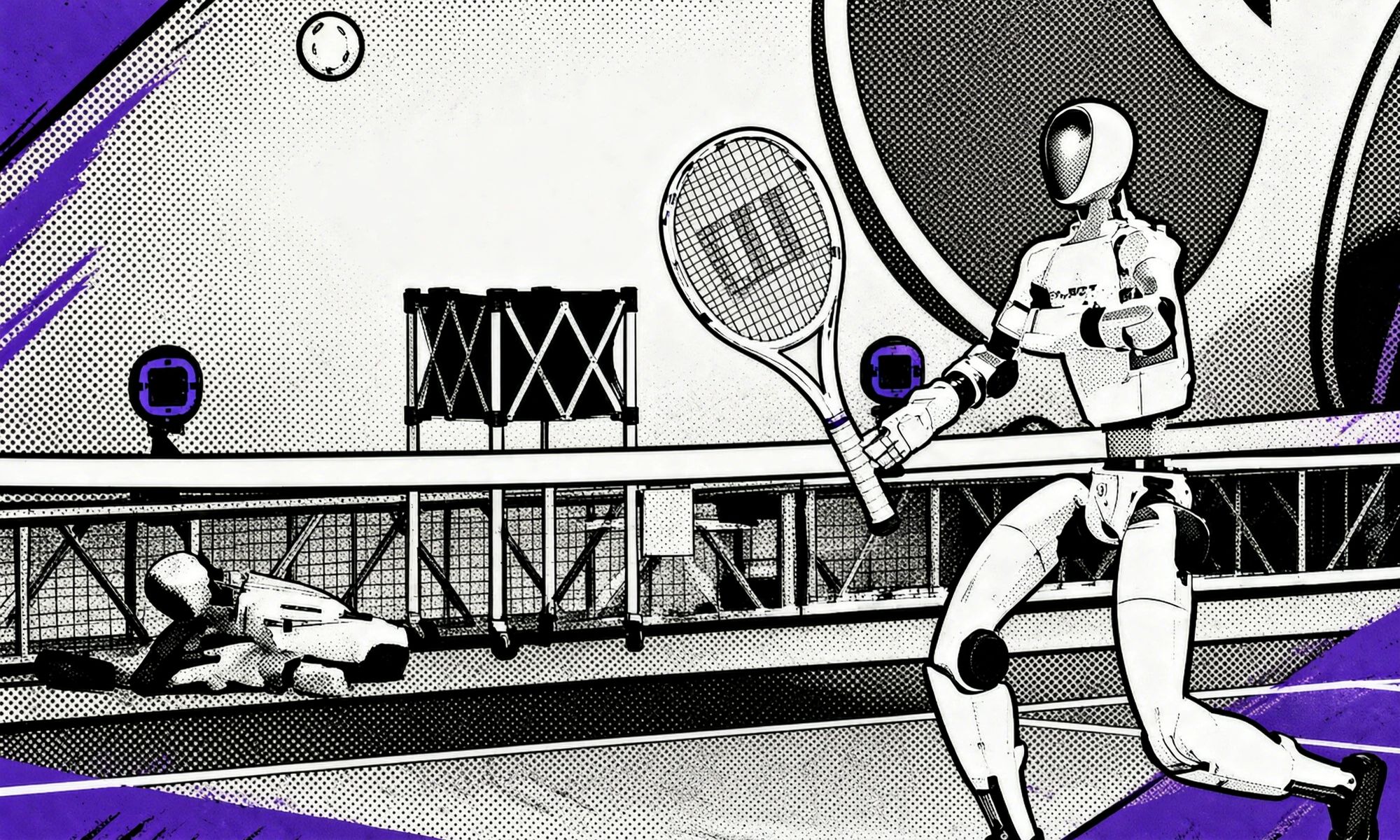
CNET senior editor Matt Elliott published a hands-on review on October 14, titled "Finally, an AI Robot Built for Me: The Acemate Tennis Robot." He opened by describing his situation—constantly scrolling tennis tips on Instagram, learning techniques and strategies from watching pros, but the problem was not practicing enough to turn what he gleaned from his phone or TV into actual ability. It is not that he does not play enough—he plays year-round—but every time he gets on court it is to play a set or two with friends rather than drills to strengthen his backhand or sharpen his volleys. After using the Acemate S10 for a month, he felt this might be what he needed to tune up his backhand and dial in his volleys.
Acemate S10看起来像一台普通的、固定的发球机,从网对面给你喂球。但你一旦把球回到它那半边场地,就会很快发现它能追踪球并把自己移动到球的前面。机器人的移动和AI追踪能力在两方面有用。第一,它让打球看起来和感觉起来更像在和人类对手对打,因为它对你的击球做出反应。它不是按照固定节奏给你发球,而是在用网接住你的球之后,或者它没接到、球从旁边过去之后,才发出下一个球。这改变了回到你这边球的速度、角度和位置,模仿了和人打球的自然节奏。第二,它意味着你在训练间隙捡球的时间更少。机器人能在网里收集的球越多,你清空球仓之前的时间就越长。
The Acemate S10 looks like a simple, stationary ball machine that feeds balls from across the net. But once you return a ball to its side of the court, you quickly discover it can track the ball and move itself in front of it. The robot's movement and AI tracking ability are useful in two ways. First, it makes hitting look and feel more like rallying against a human opponent because it responds to your shots. Instead of firing balls at a fixed cadence, it shoots the next one after catching your shot in its net—or after it misses and the ball goes by. This varies the pace, angle, and position of balls coming back to you, mimicking the natural rhythm of hitting against a human. Second, it means less time picking up balls between drills. The more balls the robot collects in its net, the longer before the hopper is empty.
Acemate S10能追踪球,是因为它脸部两侧各有一个4K摄像头和AI驱动的追踪。文章特意说明,Acemate不是人形机器人,只是轮子上的一个盒子,但两个摄像头看起来像眼睛,前面的开口看起来像嘴巴,给了机器人一张友好、虽然有点惊讶的脸。它坐在四个麦克纳姆轮上,可以向任何方向移动,横着走、前后走、斜着走都行。机器人在场上能真的快速移动。文章说,如果你是一个高水平球员, постоянно 打出重击,那么快速的Acemate可能还不够快,接不住你很多球。作者自称是4.0中级球员,击球扎实但不至于毁灭性,机器人能把自己移动到很多他打进场内的球前面。
The Acemate S10 can track balls because it has a 4K camera on each side of its face and AI-powered tracking. The article specifically notes the Acemate is not a humanoid robot—just a box on wheels—but the two cameras look like eyes and the front opening looks like a mouth, giving the robot a friendly, if somewhat surprised-looking, face. It sits on four Mecanum wheels that allow it to move in any direction—side to side, forward and back, and diagonally. The robot can really zip around the court. The article says if you are a high-level player who constantly crushes groundstrokes, the speedy Acemate is probably not speedy enough to catch many of your shots. The author describes himself as an intermediate 4.0 player who hits firm-but-not-punishing groundstrokes, and the robot was able to move itself in front of many shots he kept inside the lines.
Acemate S10不仅追踪你的击球,试图用网接住,还追踪球落在场上的位置。每次训练,它都会编译一份你失误和成功击球的报告,显示你的球落在场上的位置,以及在某个训练中落在目标区域内的百分比。作者觉得更有意思的是他击球的平均速度和最大速度,以及平均过网高度。看到自己在打得更重、更低过网时准确率下降多少,有助于找到力量和稳定性之间的甜点。
The Acemate S10 not only tracks your shots to attempt to collect them in its net but also tracks where they land on the court. For each drill, it compiles a report of your missed and made shots, showing where your shots landed and the percentage that landed in the target zone for a particular drill. What the author found more interesting was the average and maximum speed of his shots, as well as his average net clearance. Seeing how much accuracy decreases when hitting harder and lower over the net helps find the sweet spot between power and consistency.
文章也列出了几个机器人做得不够好的地方。第一类问题出现在某些训练类型上。有一个叫Winners的类别,机器人发一个短球,作者应该把球打进目标区得分。但这个训练中的发球太短太软,作者击球时几乎站在网顶上。更糟的是高压球训练,机器人打不出足够高的挑高球让作者真正打一个高压球,结果只是在打容易的截击。发球训练同样平平,很多训练本意是练接发球,但Acemate对发球的模拟很差。网球发球是你从头顶击球,而机器人是从离地只有一英尺高的开口把球射出来。
The article also lists several areas where the robot falls short. The first type of problem appears in certain drill categories. There is a category called Winners, where the robot hits a short ball the author is supposed to crush into the target area for a winner. But the feeds during this drill were so short and soft that the author was practically standing on top of the net when hitting the ball. Worse were the overhead drills because the robot could not hit a lob high enough for a real overhead—instead, the author was hitting easy volleys. Serve drills were similarly lackluster; many are intended for practicing return of serve, but the Acemate does a poor approximation of one. A tennis serve is struck over your head, whereas the robot shoots a ball out from an opening only a foot above the ground.
第二类问题是硬件和软件上的。首先是把它运到球场,轮子没法锁,机器人会在车后座滚来滚去。这东西将近40磅重,在SUV后座撞来撞去。作者最后想了个办法用网球包把它卡住,但即便如此,也学会了转弯要慢要轻。到了球场,有几次他不得不等固件更新完成才能启动机器人。文章说,一天工作结束、离开办公室、到了网球场,最不想做的就是等几分钟软件更新完成。机器人对阳光和雨水也过于敏感。有一次下雨后第二天去球场,红土场地稍微有点湿但足够硬、足够干,Acemate给了一个模糊的错误信息,前几个训练后拒绝喂球。公司告诉他,可能因为他从场地上捡起来、放回机器里的球有点湿,可能导致机器人传感器混乱。
The second type of problem is hardware and software. First is transporting it to the court—the wheels cannot be locked, so the robot rolls around in the back of the car. It weighs nearly 40 pounds and slammed around in the back of his SUV. The author eventually devised a way to wedge it with his tennis bag, but even then learned to take turns slowly and gently. At the court, several times he had to wait for a firmware update to complete before the robot started up. The article says after closing the laptop for the day, leaving work, and getting to the tennis court, the last thing he wants is to wait a few minutes for a software update. The robot also proved overly sensitive to sun and rain. Once, the day after it rained, the clay was slightly damp but more than firm and dry enough for play, but the Acemate gave a vague error message and refused to feed balls after the first few drills. The company told him it was likely because balls he picked up from the court and fed back into the machine were slightly damp, which could have confused the robot's sensors.
另一次,作者下班后去球场,把Acemate放在面向太阳的一侧,这样他可以背对太阳打球。结果Acemate比他更不喜欢傍晚低角度的太阳直射眼睛,又产生了另一个模糊的错误信息。直到他们换了位置,作者拿上太阳镜,才能开始。文章还提到速度问题。每次训练都有一个Shot Tempo设置,让你选择机器人向你发球的速度,慢、中、快、非常快。作者发现速度之间几乎没有区别,即使是非常快设置也不很快。有一款更新、更强大的Acemate S10 Pro能以最高75英里每小时发球,比普通S10的60英里每小时更高。作者觉得他得到的喂球速度最高大概50英里每小时。
Another time, the author went to the court after work and placed the Acemate on the side facing the sun so he could play with the sun at his back. It turned out the Acemate liked the low, late-day sun in its eyes even less than he did and produced another vague error message. It was not until they changed positions and he grabbed his sunglasses that they could begin. The article also mentions speed issues. There is a Shot Tempo setting for each drill, letting you select the speed at which the robot shoots balls at you—slow, medium, fast, or very fast. The author detected little to no difference between speeds, and even the very fast setting is not very fast. A newer, more powerful Acemate S10 Pro can fire balls at up to 75 mph, up from the regular S10's 60 mph. The author felt he was getting fed at a max of maybe 50 mph.
文章最后给出了购买建议和使用场景。Acemate S10全价2499美元,但几乎总是打折到1999美元。10月20日之前卖1899美元,用折扣码还能再减50美元。作者说,即使按三重折扣价1849美元,它也比好奇或玩具贵,如果你只是对网球好奇、从来没打过,他不建议买。另一方面,它当然比长期上私教课甚至团课便宜,但从机器人那里你得不到的是对你动作的批评。它收集的所有数据不会帮你识别技术缺陷,也不会唠叨你改进脚步。对真正初学者的建议是,先花几节课的钱,再考虑买Acemate S10。
The article ends with buying advice and use scenarios. The Acemate S10 has a full price of $2,499 but is almost always discounted to $1,999. Until October 20, it sells for $1,899, and with a discount code you can knock another $50 off. The author says even at the triple-discounted price of $1,849, it costs more than a curiosity or toy, and he would not recommend buying it if you are simply curious about tennis and have never played. On the other hand, it certainly costs less than paying for private or even group lessons over time, but the one thing you will not get from the robot is a critique of your form. All the data it collects will not help you identify a technical flaw or nag you to improve your footwork. His advice for true beginners is to pay for a few lessons before paying for the Acemate S10.
对初学者到中级球员来说,它是一个更明智的投资,这些人想稳定练习,又不依赖家人或朋友的时间表来对齐上场时间。对这个类型的人来说,机器人可以是提高网球水平的有价值工具。文章给出的最佳用户场景是,不再是初学者、想加速进步成为更好的中级球员的人。你已经上了几个月课,知道自己需要在哪些技能上打磨。或者你过去某个时候打过网球,现在想回到这项运动。无论哪种情况,你都有一些机器人本身教不了的基础能力。Acemate S10的作用是,在你交到网球朋友之前,提供一种稳定打球的方式,让你磨练自己的球技。文章最后一句带点调侃,你不用担心把机器人落下,它不会孤独或难过。它可能有一张可爱的脸和背后的一些人工智能,但它只是一台机器,感受不到情绪。
For beginner-to-intermediate players, it is a wiser investment—people who want consistent practice without relying on family or friends' schedules aligning with theirs to get on court. For this type of person, the robot can be a valuable tool for improving their tennis game. The article's best user scenario is someone who is no longer a beginner and wants to accelerate progress into becoming a better intermediate player. You have taken lessons for a few months and know which skills you need to work on. Or you played tennis at some point in a past life and want to return to the sport. In either case, you have some foundational abilities the robot itself cannot teach. Where the Acemate S10 comes in is providing a way to play consistently before you make tennis friends, so you can sharpen your game. The article's last line is slightly wry—you need not worry about leaving the robot behind; it will not be lonely or sad. It might have a cute face and some artificial intelligence behind it, but it is only a machine and cannot feel emotions.


