

一束蓝光打进神经元,离子通道跟着开门,细胞放电能被控制在毫秒尺度。2026年诺奖把这个从衣藻通道视紫红质走到活体大脑的路线正式加冕,卡尔·戴塞尔罗特、彼得·黑格曼、格奥尔格·纳格尔三人把「观察大脑」推进到「拨动大脑」。过去神经科学很多结论停在相关关系,光遗传学让研究者指定某一类细胞、在某一瞬间开机或关机,再看行为是否翻转,因果验证这才有了干净的实验把手。
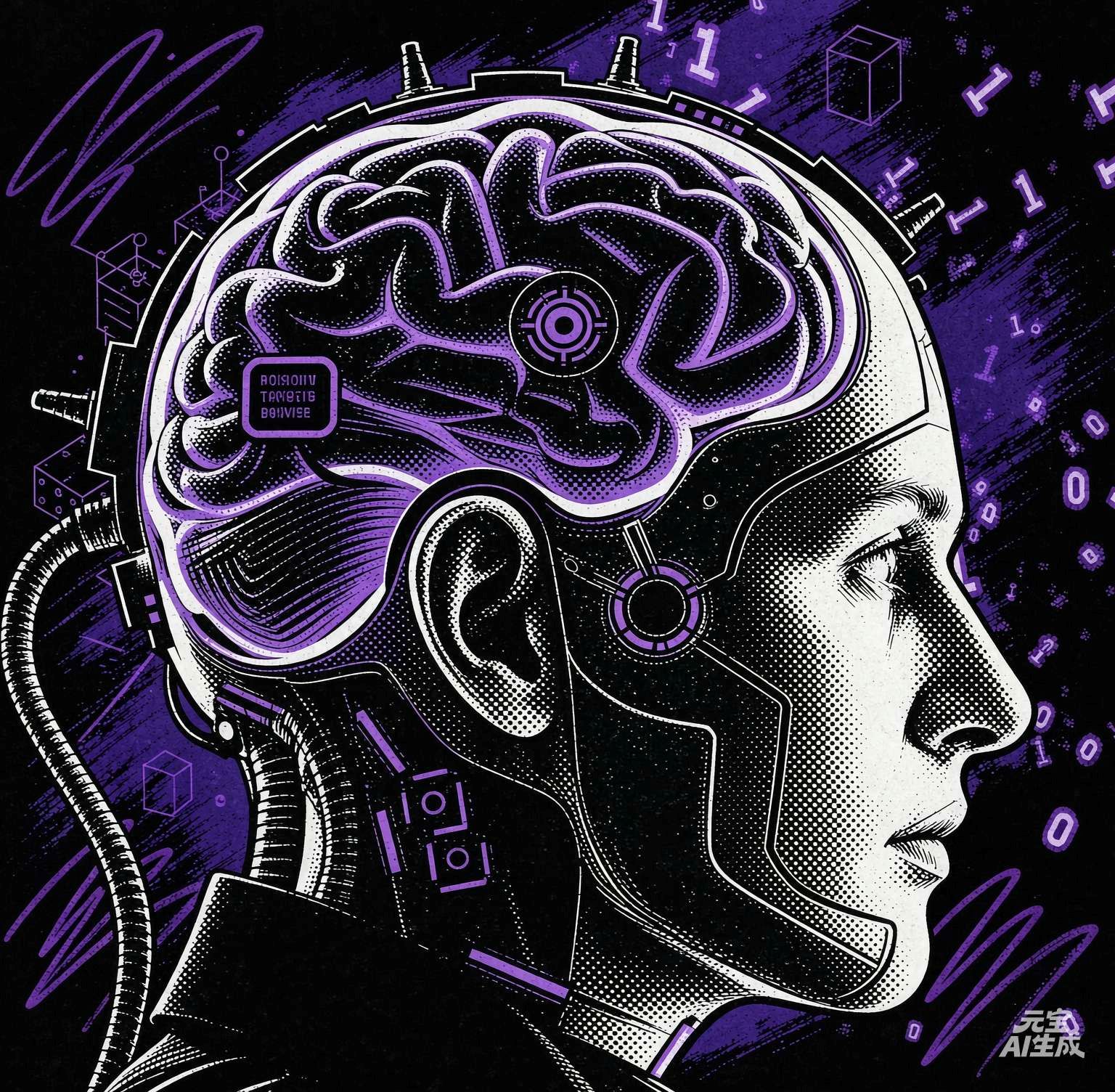
English: A flash of blue light hits the neuron, the ion channel opens, and firing can be controlled on the millisecond scale. The 2026 Nobel Prize formalizes the route from algal channelrhodopsin to optogenetics in living brains, with Karl Deisseroth, Peter Hegemann and Georg Nagel moving neuroscience from watching the brain to flipping specific switches. Old results often stopped at correlation; optogenetics lets researchers pick one cell class, turn it on or off at a chosen instant, and watch behavior flip, giving causal tests a clean handle.
脑机接口过去十年最热闹的方向全是出城,把运动意图从皮层读出来。Neuralink、脑虎、清华博睿康NEO把植入、解码、临床审批一条线往前推,光标控制、机械臂抓握、全链路延时不断压低。读取端已经摸到商业化门槛,问题在回头路,把触觉、图像、声音、节律调控写回神经系统,电极这件事越来越吃力。电流在脑组织里扩散,犹他阵列位点间距和神经元密度不匹配,深部脑刺激很难区分兴奋性、抑制性细胞,像对着一屋子人开大喇叭,指望该听的人反应。
English: BCIs spent the last decade building outbound lanes, pulling movement intent out of cortex. Neuralink, BrainCU and Tsinghua-BrainRobotics NEO pushed implants, decoding and clinical approval forward, lowering cursor-control and grasping latency. The read side is approaching commercialization, but the return lane is harder: writing touch, images, sound and rhythmic control back into the nervous system. Current spreads through tissue, electrode spacing does not match neuronal density, and deep-brain stimulation struggles to separate excitatory from inhibitory cells, more like blasting a room with a loudspeaker and hoping the right listener responds.
光遗传学的产业价值不在实验室炫技,而在把写入单位从「附近一片组织」缩到「被标记的那群细胞」。先用基因工具决定谁装光敏蛋白,再用波长决定何时触发,兴奋和抑制都能做。这种选择性刚好补电极最缺的维度,探照灯换激光笔,写入不再顺手点亮不相干的邻居。灵长类视觉皮层里已经出现中尺度、高像素密度的光刺激系统,目标不是证明光能控细胞,而是让厘米级区域形成可重复的空间图案,往视觉假体要稳定像素。
English: Optogenetics matters commercially because it shrinks the write unit from a patch of tissue to the tagged cell population. Genetics decide who carries the photosensitive protein, wavelength decides when it fires, and excitation or inhibition are both reachable. That selectivity patches the biggest hole in electrodes: the laser pointer replaces the searchlight, so writing no longer lights up unrelated neighbors. Primate visual cortex already sees mesoscale, high-pixel-density optical stimulation systems whose goal is not proving light can drive cells but making repeatable spatial patterns across centimeter-scale tissue for stable pixels in vision prostheses.
眼睛是最容易登陆的滩头。视网膜本来就是中枢神经向外掀开的一层,透光条件现成,送光难题在眼球里自动降级。PRIMA把光伏芯片埋到视网膜下,眼镜把近红外投到芯片上,替代失效感光细胞;MCO-010走环境光激活路线,不用外挂眼镜;Restore Vision一类项目把晚期视网膜色素变性患者从光感往上拉。2026年前后这批数据密集出现,说明光写入不是远期概念,临床兑现窗口已经贴到脸上。国内视网膜色素变性管线也在往前推,首例安全性数据、新型高灵敏感光蛋白、病毒递送和眼科手术路径开始接上。
English: The eye is the beachhead. Retina is already CNS laid open to light, and the hardest problem, delivering light, is downgraded inside the eyeball. PRIMA places a photovoltaic chip under the retina and projects near-infrared from glasses to substitute failed photoreceptors; MCO-010 aims at ambient-light activation without external glasses; Restore Vision-type programs move advanced retinitis pigmentosa patients above light perception. Data clustered around 2026 means optical writing is not a distant idea, the clinical window is close. China's RP pipelines are moving too, with first-in-human safety, newer high-sensitivity opsins, viral delivery and ophthalmic surgical workflows lining up.
深脑方向别急着画满饼。光递送器件、长期表达稳定性、免疫与视觉安全风险、动物到人的剂量标定,每一项都要挨个交数据。更现实的形态是先做混合闭环,电极负责读取环路状态,光负责把校正信号写回特定细胞类型,癫痫、帕金森、情绪障碍这类需要按时序干预的病症会先于纯光深脑系统落地。外周也一样,光控耳蜗想把独立通道从二十几个往上抬,光控镇痛、光控免疫开关在动物模型里已经露出抓手,但人体试验节奏普遍排在2027以后。
English: Don't overfill the deep-brain plate. Optical delivery hardware, long-term expression stability, immune and visual safety, and dose scaling from animal to human all need separate datasets. The earlier shape is a hybrid closed loop: electrodes read loop state, light writes correction back into defined cell types. Epilepsy, Parkinson's and mood disorders that need timed intervention will likely precede pure optical deep-brain systems. Periphery follows the same logic, optical cochlear channels aim well above twenty independent sites, photoanalgesia and light-controlled immune switches show traction in animals, but human trials mostly line up after 2027.
诺奖给的是二十年前的发现,市场拿到的是一张准入证。脑机接口上半场比带宽、比通道数、比谁能把信号捞出来;下半场比的是写入精度,谁能让信息回到正确细胞而不炸开周围网络。眼科会先验证支付和监管路径,深脑再跟长期随访。光遗传学不是把现有电极替换掉,而是把「往大脑里写字」从粗笔刷变成细针尖,这一步走通,假肢触觉回传、视觉图像重建、环路级治疗才不再是演示视频。
English: The Nobel crowns a discovery made two decades ago; the market gets an entry permit. The first BCI era competed on bandwidth, channel count and pulling signals out. The next era competes on write precision, getting information back to the right cells without flooding neighboring networks. Ophthalmology validates payment and regulatory paths first, deep brain follows with longitudinal follow-up. Optogenetics does not simply replace electrodes, it turns writing into the brain from a coarse brush into a fine needle. Until that works, prosthetic touch, visual image reconstruction and circuit-level therapy stay mostly demos.


